
Ava와 채팅 - AI 비즈니스 컨설턴트

안녕하세요. 저는 당신의 비즈니스를 강화시키도록 도와주는 AI 가이드 Ava입니다!
이미 사업을 운영하고 있거나 사업을 새로 시작하는 것을 바라신다면 저는 AI 기반 프리랜서를 사용하여 고객님의 비전을 현실로 바꾸는 데 도움을 드리고자 왔습니다. 비즈니스 목표를 공유하면 재능 있는 프리랜서들이 입찰할 수 있는 프로젝트를 함께 만들 수 있습니다. 비전을 현실로 만들어봅시다!
사업이 있습니다
나는 사업을 시작하고 있어요
대화를 이메일로 보내는 중에 문제가 발생했습니다. 나중에 다시 시도 해주십시오.
한 시간에 한 번만 대화를 저장할 수 있습니다. 나중에 다시 시도 해주십시오.
대화가 너무 짧습니다. 저장을 하고 싶으면 Ava와 계속 채팅하세요.

어떤 일이든
Shopping Cart Designers
분야의 전문가 채용
Freelancer.com 서비스를 이용해 자신들의 아이디어를 현실로 바꿔가는 분들이 무려 수백만에 이릅니다.
선진의 브랜드 및 시작 기업의 신뢰 대상


채용 진행 (분야: Shopping Cart Designers)



$30 (1시간 기준)

$10 (1시간 기준)

₹40 (1시간 기준)

$21 (1시간 기준)

$15 (1시간 기준)

$25 (1시간 기준)

$12 (1시간 기준)

$45 (1시간 기준)
Shopping Cart Designers 관련, 거래선 측의 평가:
4.83 점(만점: 5점)
(263,487 건의 리뷰 이상)
Shopping Cart Designer 분야의 프리랜서를 제대로 채용하는 방법
Why hire an online shopping cart expert? A developer with experience working with online shopping cart software will help you establish and improve your online store. An online shopping cart allows users to keep track of the items that they are wanting to purchase from an online store.
Have a WordPress site? No worries, there are a number of online shopping cart applications that can be easily implemented in WordPress and your online store can be up in no time! Still, you might have some questions. How exactly should your online shopping cart be set up? What application should you choose? How do users make a payment for products placed in their online shopping cart?
Fortunately, freelance web designers found on Freelancer.com are available and ready to help with your online shopping cart needs. Allow these talented freelancers to fine-tune your online store and prepare to wow your customers!
As an industry outsider unfamiliar with shopping cart software, the learning curve may seem steep and lead to significant frustration as well as setbacks preventing the final release of your online store. The simple solution to this issue: hire an online shopping cart expert.
Freelancer.com is the perfect place to crowdsource your online shopping cart needs. The incredible web development talent found on Freelancer.com will make your shopping carts sparkle and shine, showing off all of the incredible products that you have available purchase. It an e-commerce market that is growing increasingly crowded, your online store needs to stand out!
A public project is another great way to get your project started on Freelancer. Write a detailed description of your project outlining your objectives and expectations and wait for the competitive bids to roll in! Posting a public project on Freelancer is free and a great way to get your feet wet in the world of online shopping cart solutions. A public project would be a great way to request online sales help as well.
If you have a specific set of skills or experience in a freelancer, give the Freelancer Directory a try. Using the directory, you can search for a freelancer using a number of criteria to filter through the thousands of talented open source shopping cart experts available for hire on Freelancer. Once you find a freelancer that you are interested in, take a look at their profile. Take a look through their portfolios and reviews to help you make your final decision. Once you decide, you can even make the freelancer an offer directly from their profile!
Still having trouble deciding on the perfect freelancer for your shopping cart task? We understand. There’s a lot of great freelancers out there! Thankfully, the Preferred Freelancer Program has identified the top web design freelancers on the site and made them available to you via our Talent Recruiters. These recruiters will contact the site’s top talent and ask them to consider placing a bid on your project. Instantly gain access to competitive bids from the site’s top talent and get advice from our helpful recruiters. They’re sure to make your next project a huge success!
Freelancer.com has made finding a shopping cart expert easier than ever, so don’t wait! Hire a Shopify expert on Freelancer today!

Freelancer 엔터프라이즈
기업의 예산에 대한 걱정이 있습니까? 적은 비용으로 더 많은 일을 처리하실 수 있습니다.
저희가 보유한 5천만 명의 인력을 활용하여 자신의 사업에서 성취할 수 있는 것을 한층 높여가실 수 있습니다.

Freelancer API
저희가 보유한 5천만 명의 전문가 중에서 필요하신 만큼 이용하실 수 있습니다.
반드시 채용이 필요할까요? 그 대신에 클라우드형 인재 서비스를 간단히 통합해 보시겠습니까?
Shopping Cart Designer 분야의 채용 관련 이용 방법

1. 일자리 등록

2. 프리랜서 선정

3. 작업 과정의 기록

4. 안전한 결제
그렇다면 고객님께서는 무엇을 망설이고 계십니까?
오늘 바로 프로젝트를 등록하시고, 프리랜서 인재들의 입찰 견적서를 받아 보실 수 있습니다.
저희 소속의 프리랜서들이 작업한 모범 사례
Shopping Carts 분야의 프로젝트에서 멋진 아이디어를 얻으실 수도 있습니다.

다른 사례의 발굴
웹사이트 디자인
$540 USD (7일 소요)
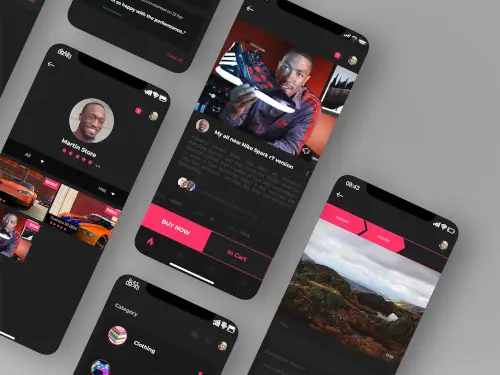
다른 사례의 발굴
앱 디자인
$100 USD (1일 소요)

다른 사례의 발굴
웹사이트
$430 USD (1일 소요)

다른 사례의 발굴
웹사이트 디자인
$140 USD (13일 소요)
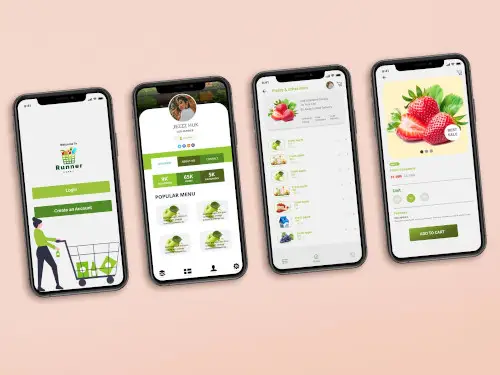
다른 사례의 발굴
앱 디자인
$200 USD (19일 소요)
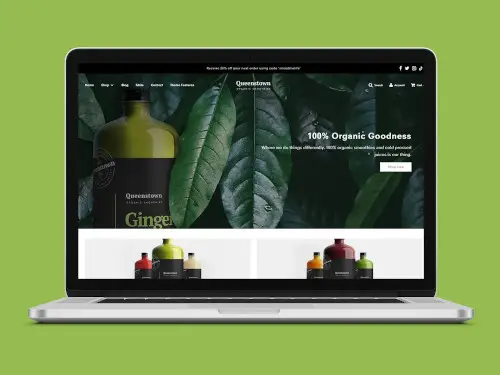
다른 사례의 발굴
웹사이트
$150 USD (13일 소요)

다른 사례의 발굴
웹사이트
$240 USD (1일 소요)
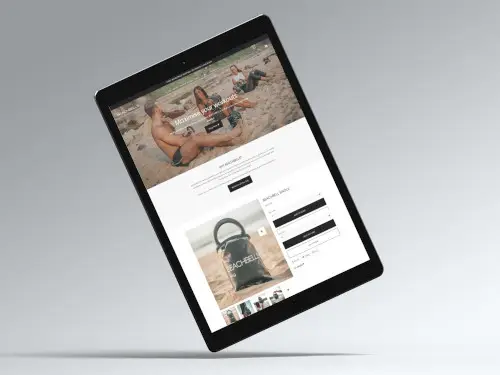
다른 사례의 발굴
웹사이트
$100 USD (1일 소요)
후원 업체:


세계 최대의 시장
소기업에서 대기업이나 전문 기업가, 그리고 시작 기업에 이르기까지 수 백만 명의 사용자가 Freelancer 서비스를 이용하여 자신들의 생각을 현실로 옮겨 가고 있습니다.
72.7 (단위: 백만)
72.7 (단위: 백만)
등록 사용자
23.6 (단위: 백만)
23.6 (단위: 백만)
등록된 일자리의 총 건수
다른 유형의 일을 처리해 줄 프리랜서를 찾고 계십니까?
감사합니다! 무료 크레딧을 신청할 수 있는 링크를 이메일로 보내드렸습니다.
이메일을 보내는 동안 문제가 발생했습니다. 다시 시도해 주세요.



클립보드로 복사하는 과정에서 문제가 발생하였습니다. 고객님의 권한 정보를 조정하신 후에 재시도하여 주시기 바랍니다.
클립보드로 복사되었습니다.
미리 보기 화면을 준비 중...
위치 정보 관련 접근권이 허용되었습니다.
고객님의 로그인 세션이 만료되어, 자동으로 로그아웃 처리가 되었습니다. 다시 로그인하여 주십시오.